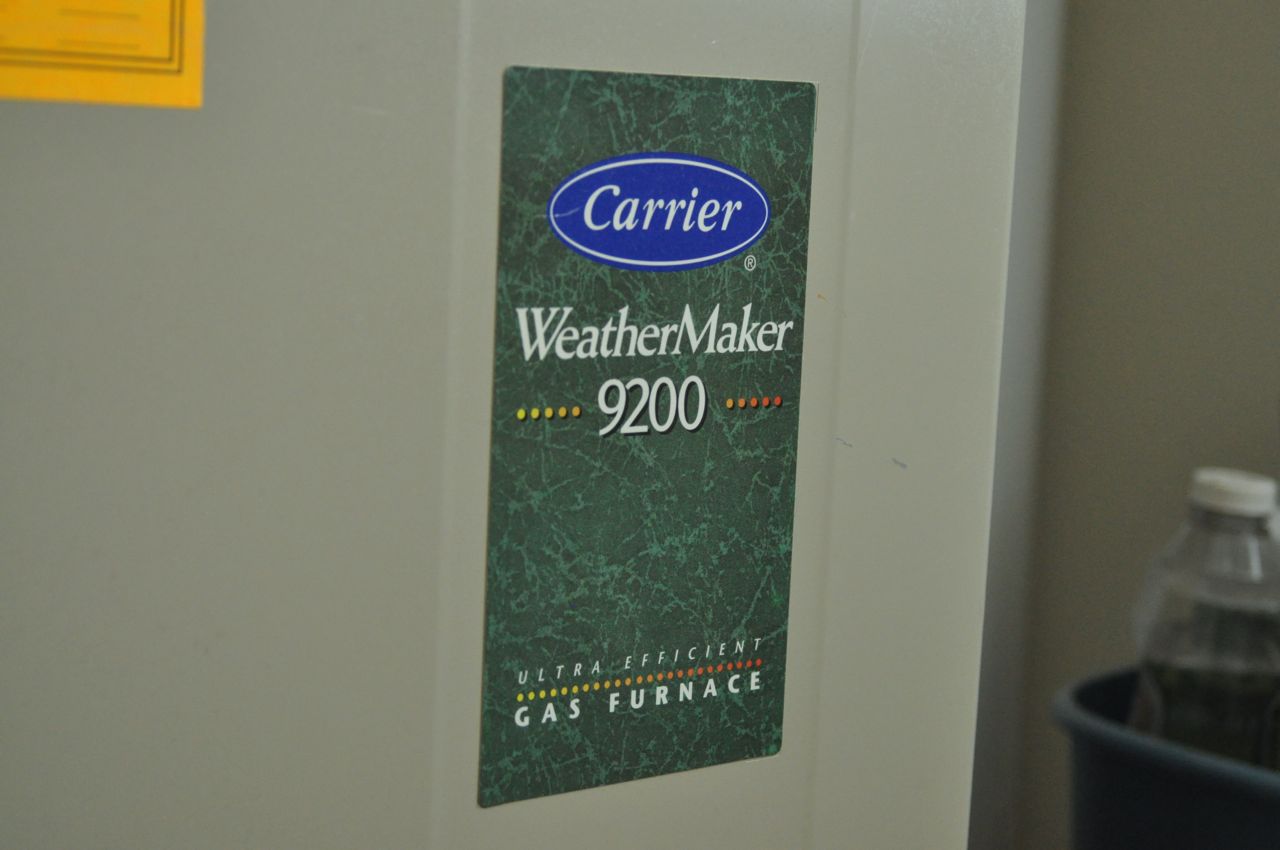
There’s something you need to know about your furnace. But first, a little background.
In my area (south-eastern Wisconsin) most people use modern and efficient natural gas furnaces to heat their homes. They burn very clean, and piped natural gas is very affordable compared to propane, electric, and other typical heating methods. However, a furnace is NOT an uncomplicated device, and what do you do when it’s -16 degrees F and your furnace quits working?
Good thing it has happened to me before, and you can learn from my experience.
High efficiency gas furnaces condense the water vapor created from combustion. This allows for extraction of “latent heat” energy which would otherwise be wasted. The upside is that the furnace is even more efficient, saves fuel, and keeps your heat bill low. The down-side is that the water has to go somewhere. This typically means that your furnace has a small hose that runs to a basement floor drain or sump pump.
However, furnaces also have a number of safeties. Should something not work right, you DON’T want a gas leak! One such safety can sense if the condensation is draining properly. If it isn’t, the furnace will prevent the gas flame from kicking on. It will still turn on the blower fan. In fact, you might not notice that anything is wrong with your furnace at all, other than that your house slowly gets colder and colder. If you feel the main duct work coming off the furnace, and it is COLD instead of HOT while your furnace is running, this is most likely the problem.
And when it’s really cold is when your furnace runs the most, creating the most condensate, increasing the chance of a drainage issue shutdown. Meaning, THE COLDER IT IS, THE MORE LIKELY YOUR FURNACE IS TO FAIL.
The good news is that it’s REALLY easy to fix. Simply locate where the vacuum breaker is on your drain. This will be part of the pipe OPEN to the air. It allows air in to help prevent siphon, vacuum block, and other common plumbing issues. 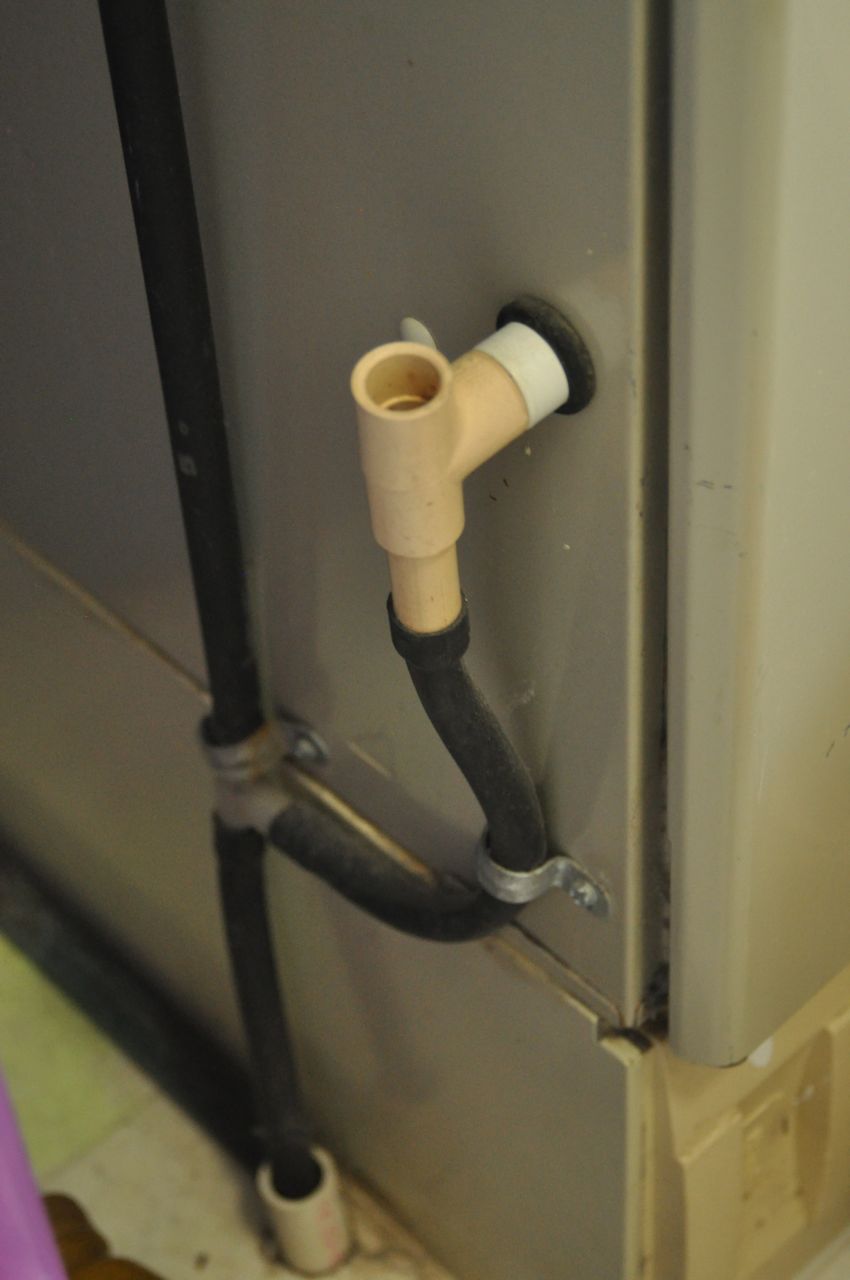 You might be familiar with such a device already if you have a dishwasher machine in your kitchen. That little thing-a-majigger on the corner of your sink serves the same purpose. On my furnace, this open pipe is on the lower left side and is shown in the photo.
Now here’s the fun part. Stick your lips on that pipe and blow! You got it! Yep, it’s icky. Maybe you want to wipe it off with a towel first. You will hear the water stuck inside gurgle a bit. Right after that, you will hear it start flowing, and will likely hear a brief rush of water.
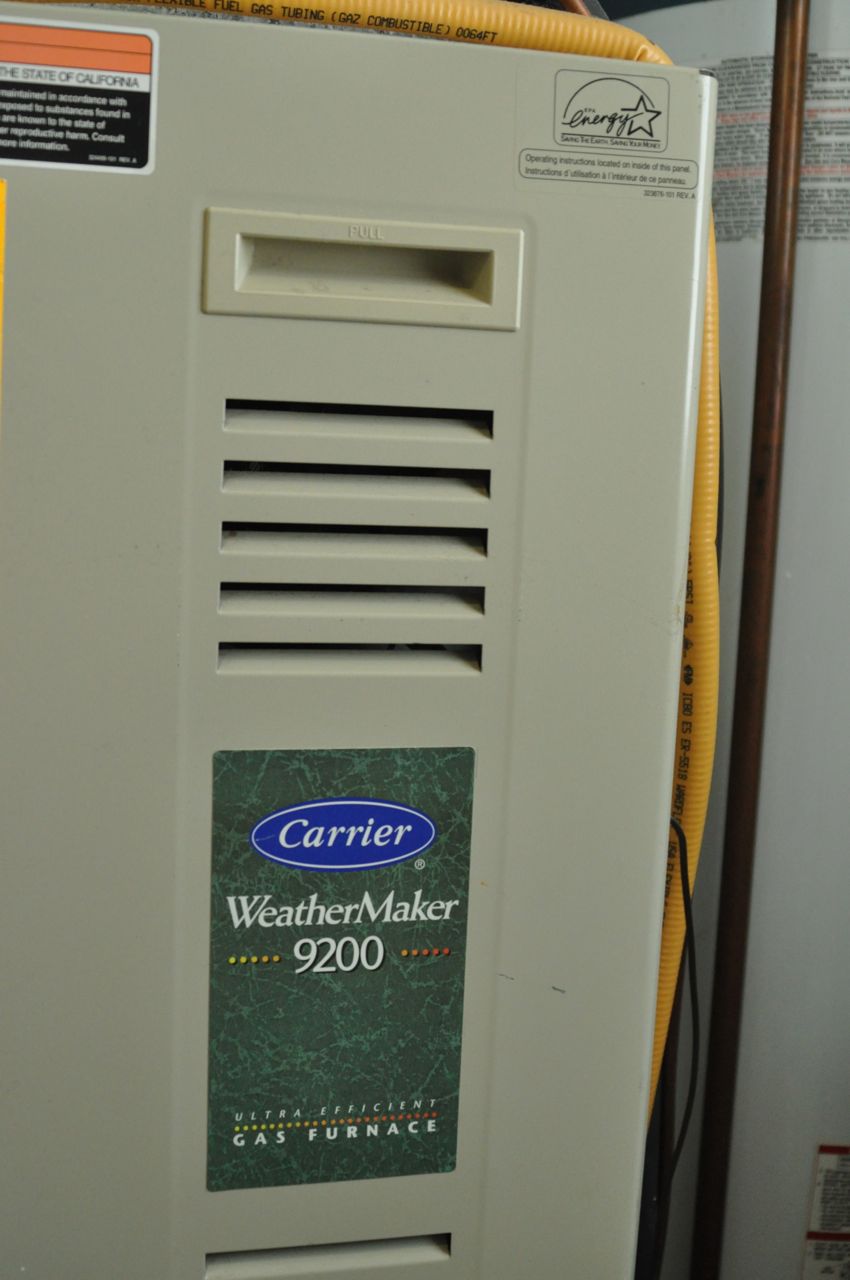 Congratulations! You have just fixed your furnace. You may need to flip your thermostat switch off and then back on to reset the furnace, but it will work now.
Gas furnaces are clean and convenient, but if you need one to keep your family to keep from freezing to death, you need to know how to keep it running as well. You also might want to invest in a backup heating system. Right now, Wisconsin is in a propane shortage. (Many rural folks in Wisconsin use LP for home heating.) Also, just recently, a break in a Canadian natural gas pipeline has caused an energy provider in western Wisconsin to ask residents to conserve natural gas and lower their thermostats, even though we are in a “Polar Vortex” of sub-zero temperature. At my house, we have a small cast-iron wood stove in the living-room. Mostly, it’s used for comfort and coziness in the winter, but in a pinch, we could heat our whole house with it. Pellet-stoves have also become popular in recent years, but keep in mind they usually require electricity to operate the feeder mechanism.
In the event of really bad weather, it can be difficult to get a professional HVAC repairman to you house, but if you at least know the basics, you can keep your furnace running and your family warm.
PS: You DID change your furnace filter lately, right?

{ 1 comment… read it below or add one }
I like my high efficiency furnace, but general house condensation seems worse. I definitely see lower usage in therms, but not in kilowatts. Someone told me, as a matter of prevention, to put a few drops of antibacterial soap in the hose.